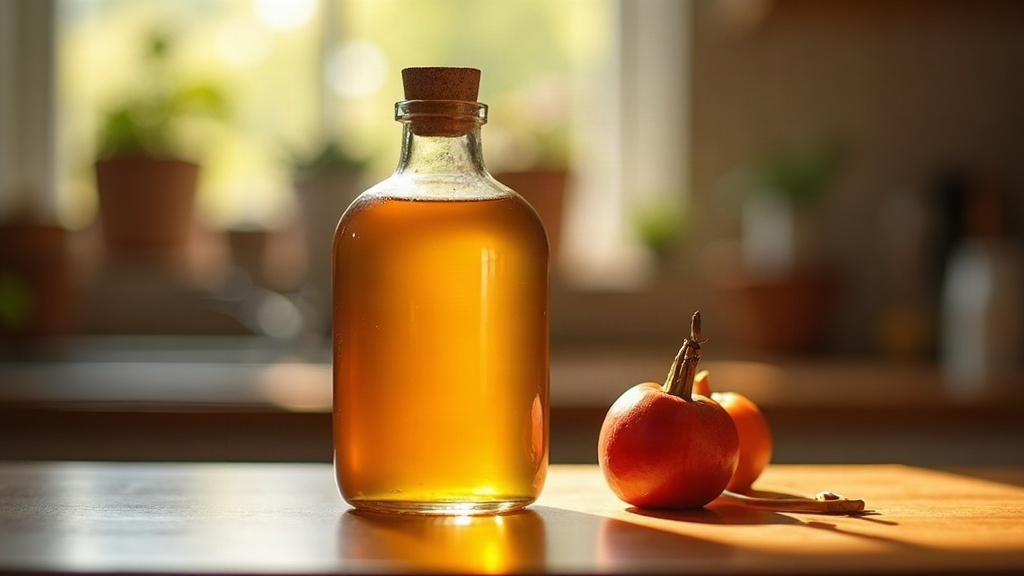
Across generations, families kept simple combinations like Biblical drink (oil)/ Honey blend in the pantry — not as medicine, but as a familiar part of how a meal was put together. This page looks at that kitchen history and at the everyday habits people build around eating, alongside the food routines many adults navigate while keeping up with their blood sugar.
Ask any adult who keeps an eye on their blood sugar what a typical Tuesday feels like, and a familiar shape emerges: a decent morning, a heavy stretch after lunch, and a running mental tally of what to eat next. None of that shows up on a chart, but it shapes the day just the same.
A plate that felt reasonable at noon can still be followed by a wave of heaviness an hour later, leaving the rest of the afternoon feeling like a slow climb back to normal.
Even after a full night's sleep, some mornings begin with a kind of fog that coffee doesn't quite clear — a pattern many people notice long before they connect it to anything on the plate.
Bread, rice, fruit, a sauce that might have sugar hiding in it — the mental math behind 'what can I eat' can turn a simple meal into a small negotiation.
Three times a day, every day, the same decision has to be made again, and the accumulated effort of constant meal-planning is rarely acknowledged as its own kind of tiring.
Kitchen talk travels fast, and some ideas about carbs, fruit, and diabetic food have been repeated so often they sound like settled fact. A closer look tells a more nuanced story.
All carbohydrates affect meals the same way.
The type of carbohydrate, what it’s paired with, and the order it’s eaten in on the plate all play a role in how a meal feels afterward — which is why blanket rules rarely fit real life.
Fruit is off the table for anyone watching their blood sugar.
Whole fruit comes with fiber and water that behave differently than juice or dried versions, and many people find ways to include it as part of a balanced plate — always in conversation with the professional who knows their routine.
‘Diabetic food’ labeled products are automatically the safer choice.
Packaging language isn’t a substitute for reading the actual label, and plenty of everyday foods without any special claim can fit into a thoughtful meal plan just as well.
Long before anyone talked about glycemic anything, cooks organized meals with a kind of practical wisdom — what went on the plate first, how quickly a meal was eaten, and what happened right after. Those same habits are still worth revisiting today.
Some people find it helpful to start with vegetables and protein before moving to the starchier parts of a meal — a simple sequencing habit rooted in old-fashioned home cooking, not a medical rule.
A meal eaten over twenty unhurried minutes tends to feel different than the same plate finished in five — pace itself is a habit that’s easy to overlook and worth practicing on purpose.
A short, easy walk after eating has long been part of household routine in many cultures — nothing strenuous, just a small shift from the table to moving the body a little. As always, any changes to habits or treatment should be discussed with the doctor managing your care.
The pairing of honey and oil reaches back to some of the oldest recorded kitchens in the Mediterranean and the Levant, where both ingredients were pantry staples long before refrigeration or packaged food existed. Honey served as a natural sweetener and preservative; oil, pressed from olives, was the base of nearly every savory dish. Combined, the two appeared in flatbreads, drizzled over cooked grains, or stirred into simple sauces — a practical way to make plain ingredients last longer and taste richer. Old texts and household records describe the mixture as an everyday staple, not a remedy: something stored in the pantry the same way flour or salt was, and used at the table rather than measured out like medicine.
The story of Biblical drink (oil)/ Honey blend belongs to the kitchen and the table, not to a lab — its history is about how people cooked and shared meals, not about any effect on the body.
If afternoon tiredness starts showing up differently than it used to, that's a detail worth mentioning at your next visit with the professional who follows your care.
A food that has always agreed with you starting to feel different is worth bringing up with your doctor rather than figuring out alone.
Noticeable changes in how you sleep or how hungry you feel are best discussed with your healthcare provider, who can look at the fuller picture.
Any interest in adjusting timing, meals, or routine around a prescribed treatment should be raised with your doctor first — never adjusted on your own.
If a relative's experience makes you want to ask questions about your own routine, your doctor is the right person to walk through what that means for you.
A shifted routine from travel, work, or holidays is a good reason to check in with your healthcare provider about how to navigate meals and habits during that stretch.
These are individual accounts shared for illustrative purposes only. They describe personal routines, not medical outcomes, and results or experiences vary from person to person. Always consult your healthcare provider about your own care.
Take a closer look at how old-fashioned meal habits and traditional pantry staples fit into everyday routines — and remember to keep your doctor in the loop before changing anything about your diet or treatment.
Advertising Disclosure: This is sponsored content created for advertising purposes. This page may contain affiliate links, and we may receive compensation if you make a purchase through those links, at no additional cost to you.
Content Disclaimer: This content is for educational and informational purposes only. It has not been evaluated by the Food and Drug Administration. It is not intended to diagnose, treat, cure, or prevent any disease, and it is not a substitute for professional medical advice, diagnosis, or treatment. Always consult a qualified healthcare professional before making any changes to your diet, routine, or any prescribed treatment.
Results Disclaimer: Individual results vary. The testimonials shared on this page reflect personal experiences and opinions and are not a guarantee of any particular outcome.
© 2026 · All Rights Reserved